
This article is for educational and informational purposes only. It reflects personal experience and publicly available clinical trial data. Nothing in this post constitutes medical advice. Retatrutide is not FDA-approved for human use. Do not use any compound discussed here without the supervision of a licensed medical professional.
The Fastest Way to Destroy Visceral Fat in 2026

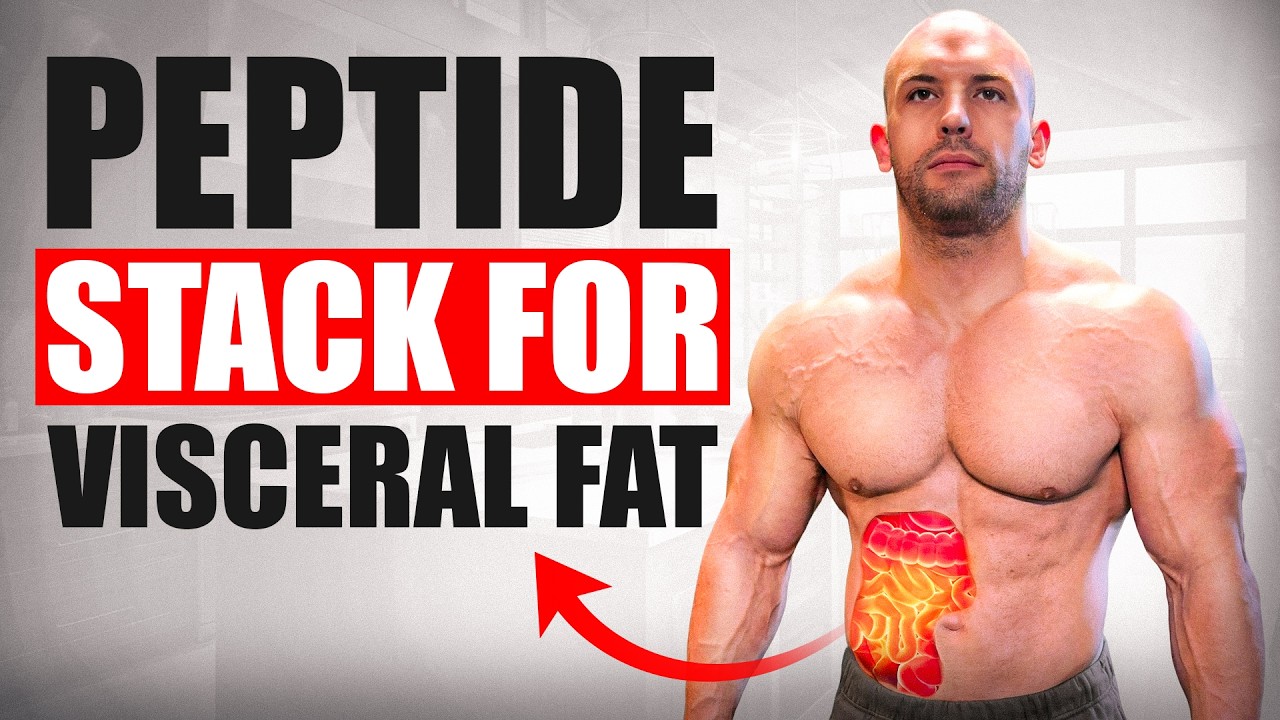
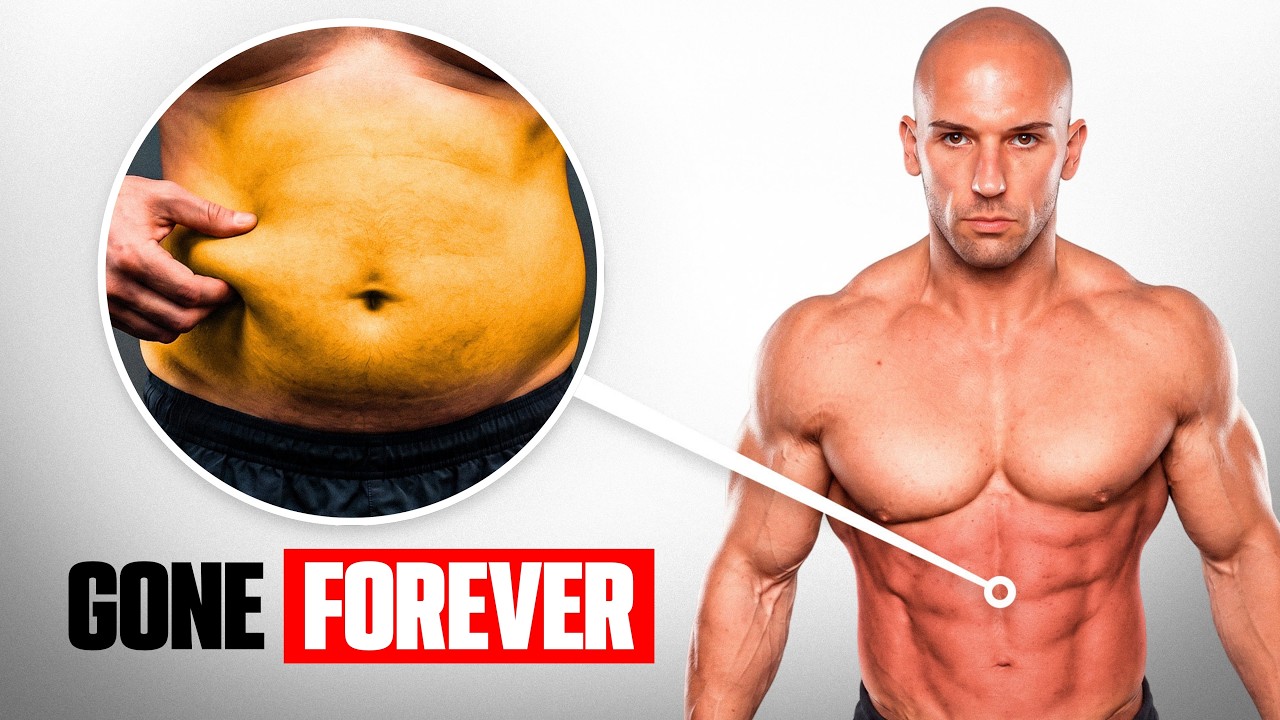
Almost everything you have been told about visceral fat is wrong. It is not the fat you can pinch. Visceral fat sits deep in the abdomen, wrapped around the liver, pancreas, and intestines, and it behaves like its own hormonal organ, driving inflammation, tanking testosterone, and wrecking insulin sensitivity.
The good news is that we finally have a tool that specifically targets it. Tesamorelin has been FDA-approved since 2010, and in the right protocol it can melt visceral fat over a 90 to 150 day window in a way that diet and training alone simply cannot match.
The bad news is that almost everyone runs it wrong. They copy the high dose from the HIV lipodystrophy studies, they skip bloodwork, they judge results in two weeks, and they never cycle off. That is how you waste a great compound and scare yourself with side effects that were completely avoidable.
In this breakdown I walk through why visceral fat is different, how tesamorelin actually works, the exact low-dose protocol I use, the bloodwork and measurements to track, the four biggest mistakes, and how I stack diet, supplements, and sleep around it.
Why Visceral Fat Is Different
Subcutaneous fat is the fat under your skin that you can pinch. Visceral fat is packed inside the abdominal cavity around your organs, and metabolically it behaves like an endocrine gland. It pumps out inflammatory cytokines, drives insulin resistance, converts testosterone into estrogen, and quietly raises your risk for every metabolic disease we care about. You can be lean on the outside and dangerously fat on the inside.
Tesamorelin: FDA-Approved Since 2010
Tesamorelin is a growth-hormone-releasing hormone analog that has been FDA-approved since 2010, originally for HIV-associated lipodystrophy. It stimulates your own pituitary to release GH in a natural pulsatile pattern instead of injecting GH directly. What makes it special is that it has clinical data showing selective reduction of visceral adipose tissue, typically over a 90 to 150 day window.
The Least-Effective-Dose Protocol
The mistake almost everyone makes is copying the high dose used in the HIV studies. That is way more than a healthy person needs. I use the least-effective-dose principle under medical supervision: start conservatively in the evening and only go higher if the response and bloodwork support it. Lower, well-monitored doses give you most of the visceral fat benefit with a fraction of the side effect risk.
Bloodwork & Measurements to Track
The key blood marker is IGF-1. That is what tells you how much GH you are actually producing and whether you are in a safe therapeutic range. Alongside IGF-1 I track waist-to-hip ratio roughly every two weeks, because visceral fat loss shows up in circumference long before it shows up on the scale. Skip the bloodwork and you are guessing.
The 4 Biggest Mistakes
One: dosing too high because you copied the number from a study without any medical context. Two: skipping bloodwork, especially IGF-1 and fasting glucose. Three: judging results too early, this is a 90 to 150 day protocol, not a two-week one. Four: never cycling off. Tesamorelin is meant to be run in blocks, not indefinitely, and cycling is what keeps it safe and effective long-term.
Diet, Supplements & Sleep
I run clients on carb cycling on top of a modified carnivore base to keep insulin controlled and protein high. The supplement stack is berberine, omega-3s, curcumin, vitamin D, magnesium, NAC, and a probiotic, all aimed at insulin sensitivity, inflammation, and gut support. Sleep is a growth hormone multiplier because most of your natural GH pulse happens in deep sleep, so 7 to 9 hours is non-negotiable if you want tesamorelin to actually work.
The IGF-1 & Cancer Controversy
The fear you will hear is that raising IGF-1 causes cancer and diabetes. The honest answer is that keeping IGF-1 in a normal physiological range, which is exactly what a low-dose protocol under bloodwork does, is not the same as chronically pushing it supraphysiologically the way HGH abusers do. The risk shows up when you dose blindly and never test. The whole point of running IGF-1 labs is to stay in the safe window.
FAQ
How is tesamorelin different from HGH?+
Tesamorelin does not inject GH. It is a GHRH analog that tells your own pituitary to release GH in a natural pulsatile pattern. That is why it has been FDA-approved since 2010 and has clinical data specifically for reducing visceral fat.
What dose of tesamorelin should I use?+
That is a decision for the physician supervising your protocol. The general principle is least-effective-dose: start conservatively rather than copying the high dose used in the HIV lipodystrophy studies, and adjust only based on response and bloodwork under medical supervision.
What bloodwork do I need on tesamorelin?+
IGF-1 is the key marker to make sure you are in a safe therapeutic range. Track fasting glucose too, and measure waist-to-hip ratio roughly every two weeks since visceral fat loss shows up in circumference before the scale.
How long does tesamorelin take to work?+
Real visceral fat reduction typically shows up over a 90 to 150 day window. Judging it in two weeks is one of the four biggest mistakes people make.
Does tesamorelin cause cancer or diabetes?+
Kept in a normal physiological IGF-1 range with regular bloodwork, the risk profile is very different from chronically supraphysiological HGH use. Skipping labs and overdosing is what creates problems. This article is educational, not medical advice.
The personal experience shared in this article reflects an individual result under medical supervision. Results are not typical and will vary based on individual health status, protocol, and compliance. Nothing here should be interpreted as a guarantee of outcomes or a recommendation to self-administer any compound. Always consult a licensed physician before starting any peptide or hormone protocol.
Related Articles

Work With My Team
If you're serious about optimizing your hormones, peptides, and body composition the right way — apply to work with my team at nicholastrigili.com. We use bloodwork, cellular testing, and proven protocols to get real results.