
This article is for educational and informational purposes only. It reflects personal experience and publicly available clinical trial data. Nothing in this post constitutes medical advice. Retatrutide is not FDA-approved for human use. Do not use any compound discussed here without the supervision of a licensed medical professional.
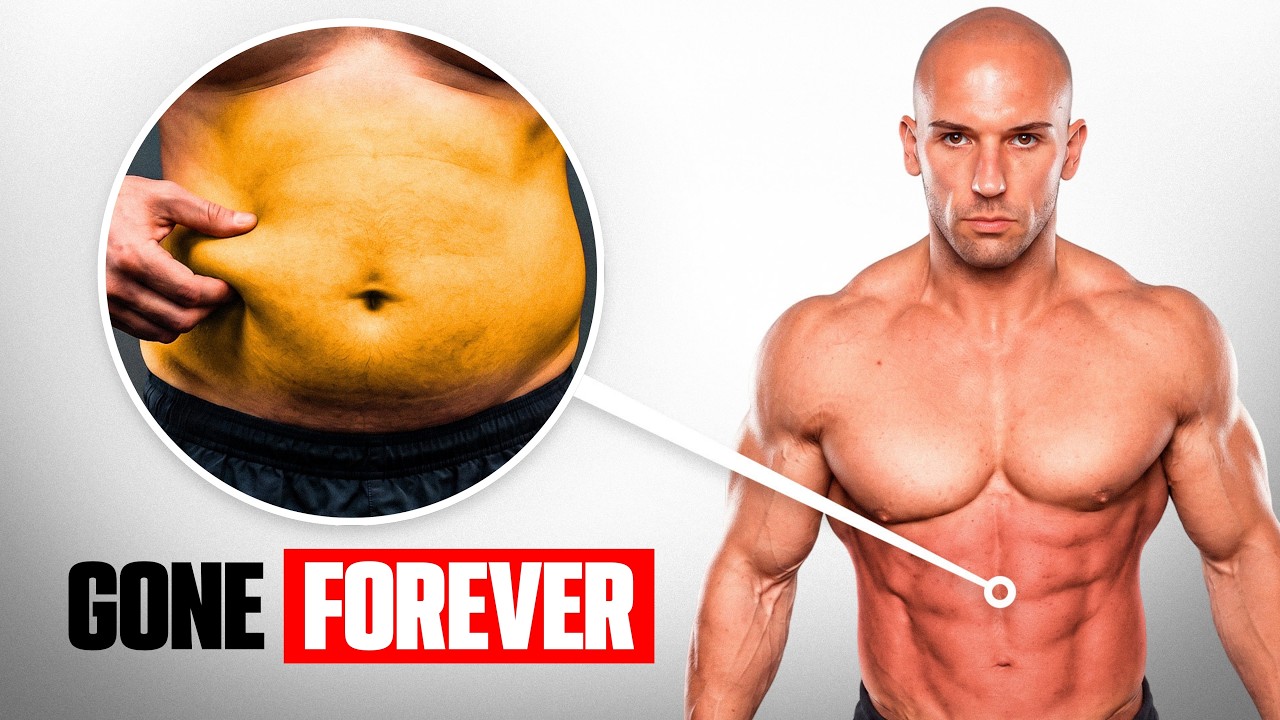
Retatrutide Just Changed Fat Loss Forever

I have been watching the GLP-1 space since semaglutide first hit the market. I covered tirzepatide when it came out. I have watched this space evolve faster than almost any other area of pharmacology. And I can tell you clearly: nothing I have seen compares to what the retatrutide data showed.
The phase 2 trial published in The Lancet in 2023 showed 24.2% body weight reduction at the highest dose group over 48 weeks. That number is not a rounding error. Previous drugs in this category were showing 12-15% as the top end of what was achievable. Retatrutide came in and more than doubled that.
What makes this meaningful is not just the magnitude - it is the mechanism. Retatrutide is a triple agonist. It activates GLP-1, GIP, and glucagon receptors simultaneously. Each of those pathways contributes something the others cannot fully replace. The synergy between them is why the results look the way they do.
This article is my deep dive on what the data actually shows, what the mechanism actually means, and what the practical implications are for people who want to use this compound in a responsible, evidence-based way.
The Phase 2 Trial Data That Changed Everything
The Lancet paper from 2023 was a randomized, double-blind, placebo-controlled trial. 338 participants. 48 weeks. Six dose groups plus placebo. The highest-dose arm showed 24.2% mean body weight reduction. The next tier down showed 22.8%. Even the lowest-dose arm showed meaningful results beyond placebo. These are not cherry-picked outliers. These are mean reductions across a large treatment group. For context, the pivotal semaglutide trials showed 14.9% mean weight reduction. Tirzepatide showed 22.5% in its highest-dose arm. Retatrutide at the top of its range outperformed both. The effect size is genuinely unprecedented in a single compound.
The Triple Agonist Mechanism
GLP-1 receptor agonism is what semaglutide and tirzepatide both provide. GLP-1 suppresses appetite primarily by acting on the hypothalamus and gut, delays gastric emptying, and improves insulin secretion. It is the backbone of the entire class. GIP receptor agonism, which tirzepatide added, enhances the insulin response and has additional effects on fat tissue directly - GIP receptors are expressed in adipose tissue and GIP agonism appears to directly facilitate fat mobilization beyond what GLP-1 alone achieves. Glucagon receptor agonism is what makes retatrutide different from everything that came before it. Glucagon is the hormone that drives lipolysis - the breakdown of stored fat for energy. Pure glucagon agonism at high doses would cause dangerous blood sugar spikes. But at the balanced ratios in retatrutide, the glucagon component adds a powerful fat-burning drive that neither GLP-1 nor GIP can replicate. The triple combination works synergistically because each pathway is hitting a different part of the fat loss equation simultaneously.
What Sets Retatrutide Apart from Semaglutide and Tirzepatide
This is the comparison I get asked about most. Semaglutide is a single agonist - GLP-1 only. It works well and the cardiovascular trial data for semaglutide is very strong. But the ceiling on fat loss with semaglutide is lower. Tirzepatide adds GIP agonism and the results improve significantly - up to 22.5% mean weight loss in the SURMOUNT-1 trial's highest-dose arm. That is a real improvement over semaglutide. Retatrutide adds glucagon agonism on top of both GLP-1 and GIP, and the effect size difference compared to tirzepatide in head-to-head comparison data is real. The glucagon component appears to drive additional lipolysis that pushes outcomes beyond what the GLP-1/GIP combination alone can achieve. For someone who needs maximum fat loss and can tolerate the compound under medical supervision, the data supports retatrutide as the superior option.
Side Effects and How to Manage Them
The side effect profile for retatrutide follows the same general pattern as other GLP-1 class compounds: nausea, vomiting, diarrhea, and constipation are the most common. In the phase 2 trial, nausea was reported in 40-60% of participants at higher doses, with most cases being mild to moderate. The key insight from the trial and from clinical use: virtually all significant GI side effects are dose-dependent and titration-speed-dependent. People who jump to high doses quickly have much worse experiences than people who titrate slowly. I always start clients at a conservative dose under medical supervision and escalate gradually over several weeks based on tolerance, which eliminates the majority of GI complaints.
Who Should Use Retatrutide
Retatrutide is appropriate for adults who have significant fat loss goals and no contraindications. The FDA-approved indications will likely mirror semaglutide - obesity (BMI above 30) or overweight (BMI 27-29.9) with at least one weight-related comorbidity. However, many of the people I work with are not obese - they are performance-oriented individuals or men on TRT who want to optimize body composition beyond what diet and exercise alone achieve. For those individuals, the risk-benefit calculation is different and more individualized. The absolute contraindications are personal or family history of medullary thyroid carcinoma, multiple endocrine neoplasia type 2, and pancreatitis history. These are the same as other GLP-1 drugs. I always get bloodwork and a thorough history before starting any client on this compound.
Combining Retatrutide with TRT and Peptides
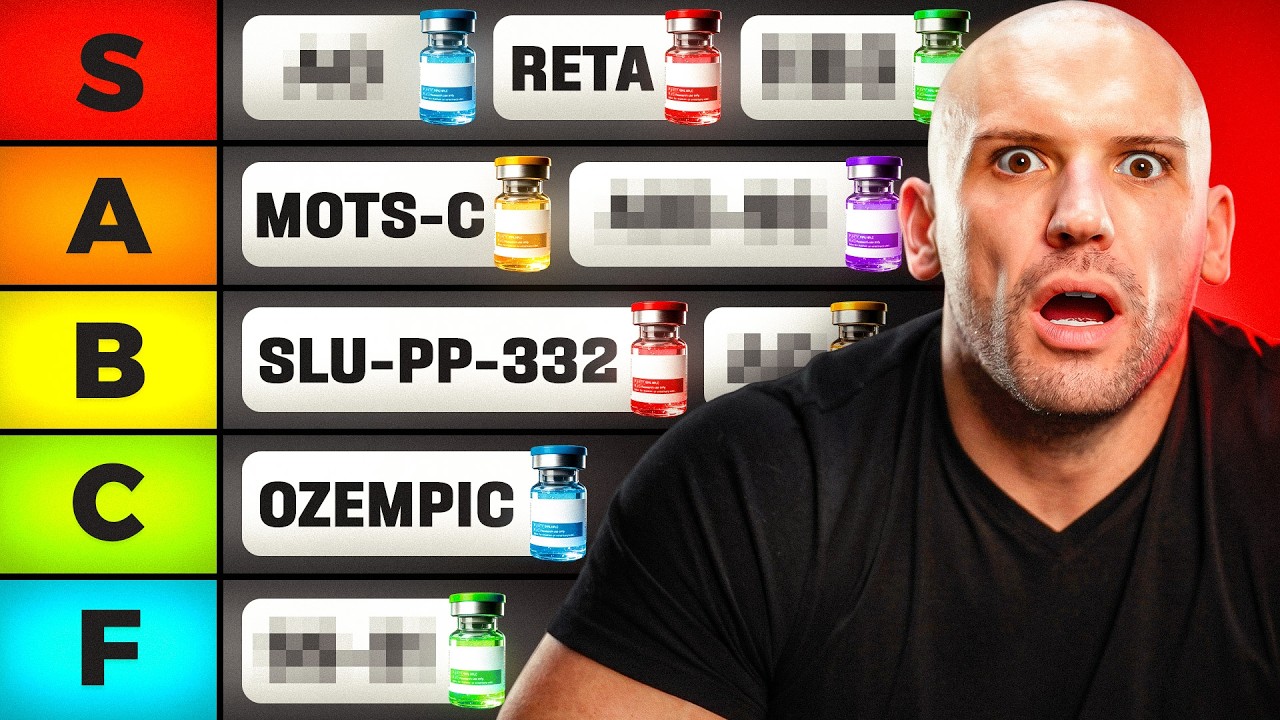
Retatrutide stacks extremely well with testosterone replacement therapy. The fat loss from retatrutide combined with the muscle preservation and hormonal optimization of TRT produces body composition changes that are more favorable than either alone. The key is protecting muscle mass during the aggressive caloric deficit that retatrutide creates through appetite suppression. I always pair retatrutide with CJC-1295 and ipamorelin for GH optimization and muscle preservation, plus BPC-157 for gut health and recovery. This three-compound stack addresses the muscle preservation deficit that is the main risk of aggressive fat loss. Protein intake is critical: 1.2-1.5g per pound of lean body mass minimum throughout the retatrutide cycle.
Phase 3 Trials and What Comes Next
The phase 3 trials for retatrutide are ongoing as of 2026. The phase 2 data was sufficient to generate enormous clinical interest and the compound is being used off-label by a growing number of physicians and patients. The cardiovascular outcomes trial data, which is what ultimately determined the full approval trajectory for semaglutide, will be crucial. Early data suggests the metabolic improvements from retatrutide should translate to cardiovascular risk reduction, but the large trial data will confirm or complicate that picture. Based on the phase 2 data and mechanism, I expect retatrutide to become one of the most important metabolic drugs in history when it achieves full approval.
FAQ
How much weight can you lose on retatrutide?+
The phase 2 clinical trial showed mean body weight reduction of 24.2% at the highest dose over 48 weeks. In clinical use with proper protocol and nutrition support, significant fat loss is consistently achievable. Individual results vary based on starting body composition, dose, nutrition, and exercise.
How does retatrutide compare to semaglutide and tirzepatide?+
Retatrutide is a triple agonist (GLP-1, GIP, and glucagon) versus semaglutide (GLP-1 only) and tirzepatide (GLP-1 and GIP). The addition of glucagon agonism drives additional lipolysis. Phase 2 trial data shows superior fat loss outcomes compared to both predecessors at equivalent timeframes.
What are the side effects of retatrutide?+
The most common side effects are GI-related: nausea, vomiting, diarrhea, and constipation. These are dose-dependent and largely manageable through slow titration. Starting conservatively under medical supervision and increasing gradually over several weeks dramatically reduces side effect burden compared to starting aggressively.
Can I stack retatrutide with TRT?+
Yes, and the combination works very well. TRT provides the hormonal foundation for muscle preservation while retatrutide drives fat loss. Pairing both with CJC-1295/ipamorelin for GH optimization and BPC-157 for recovery creates a comprehensive body recomposition stack.
Is retatrutide FDA approved?+
As of 2026, retatrutide is in phase 3 clinical trials and not yet FDA approved. It is available through compounding pharmacies and research channels. The phase 2 data is exceptionally strong and full approval is anticipated, but use currently occurs off-label under physician supervision.
The personal experience shared in this article reflects an individual result under medical supervision. Results are not typical and will vary based on individual health status, protocol, and compliance. Nothing here should be interpreted as a guarantee of outcomes or a recommendation to self-administer any compound. Always consult a licensed physician before starting any peptide or hormone protocol.
Related Articles

Work With My Team
If you're serious about optimizing your hormones, peptides, and body composition the right way — apply to work with my team at nicholastrigili.com. We use bloodwork, cellular testing, and proven protocols to get real results.