
This article is for educational and informational purposes only. It reflects personal experience and publicly available clinical trial data. Nothing in this post constitutes medical advice. Retatrutide is not FDA-approved for human use. Do not use any compound discussed here without the supervision of a licensed medical professional.
How I'd Lose 30 lbs of Belly Fat on TRT (Copy Me)
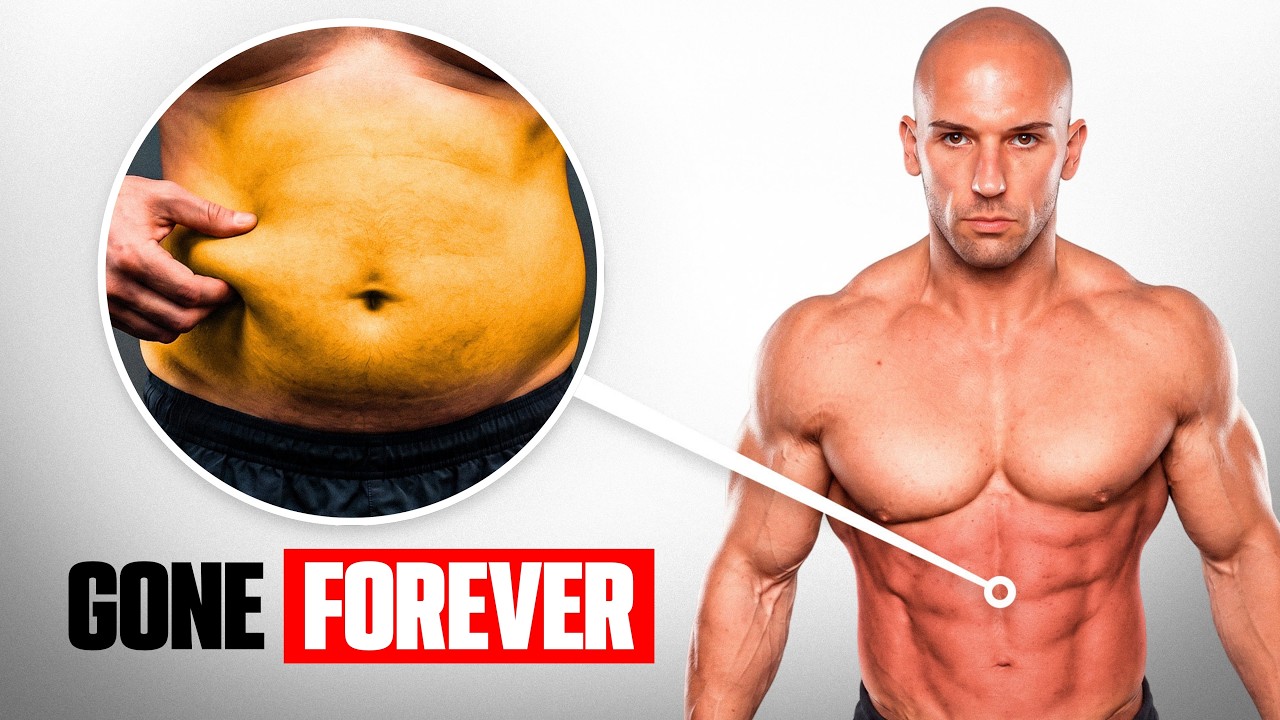
I get this question almost every day. Someone on TRT carrying significant belly fat, frustrated the testosterone alone is not doing what they expected. TRT is not a fat loss drug. It creates the hormonal conditions that make fat loss easier, but it does not do the work for you.
Visceral fat is a specific metabolic problem requiring a specific metabolic solution. It produces its own estrogen, drives inflammation, and creates insulin resistance that makes further fat gain self-reinforcing.
The approach I am walking you through combines TRT as the hormonal foundation, retatrutide for metabolic acceleration and appetite management, peptides for muscle preservation, and a nutrition and training framework targeting visceral fat specifically.
I am being specific about timeframes, doses, and expectations because vagueness is the enemy of results. People fail because they do not know what to expect and quit before the compound effects of a proper protocol show up.
Why Visceral Fat Is Different
Visceral fat sits deep in the abdominal cavity surrounding your organs and behaves like an endocrine organ. It produces inflammatory cytokines, generates estrogen through aromatase activity, and drives insulin resistance in a self-perpetuating cycle. More visceral fat means more estrogen, less testosterone efficacy, and poor insulin sensitivity. This is why men on TRT carrying significant visceral fat do not see expected results - the visceral fat is actively working against the protocol.
TRT and Visceral Fat
Testosterone has fat-mobilizing properties particularly for visceral fat. Men with low testosterone accumulate visceral fat more readily and TRT does improve body composition in hypogonadal men. But the effect size is limited with significant visceral fat burden. The aromatase in visceral fat converts testosterone to estrogen, reducing the net benefit. TRT provides the anabolic environment but is not doing the heavy lifting on fat mobilization. That requires additional targeted intervention.
Adding Retatrutide: The Fat Loss Driver
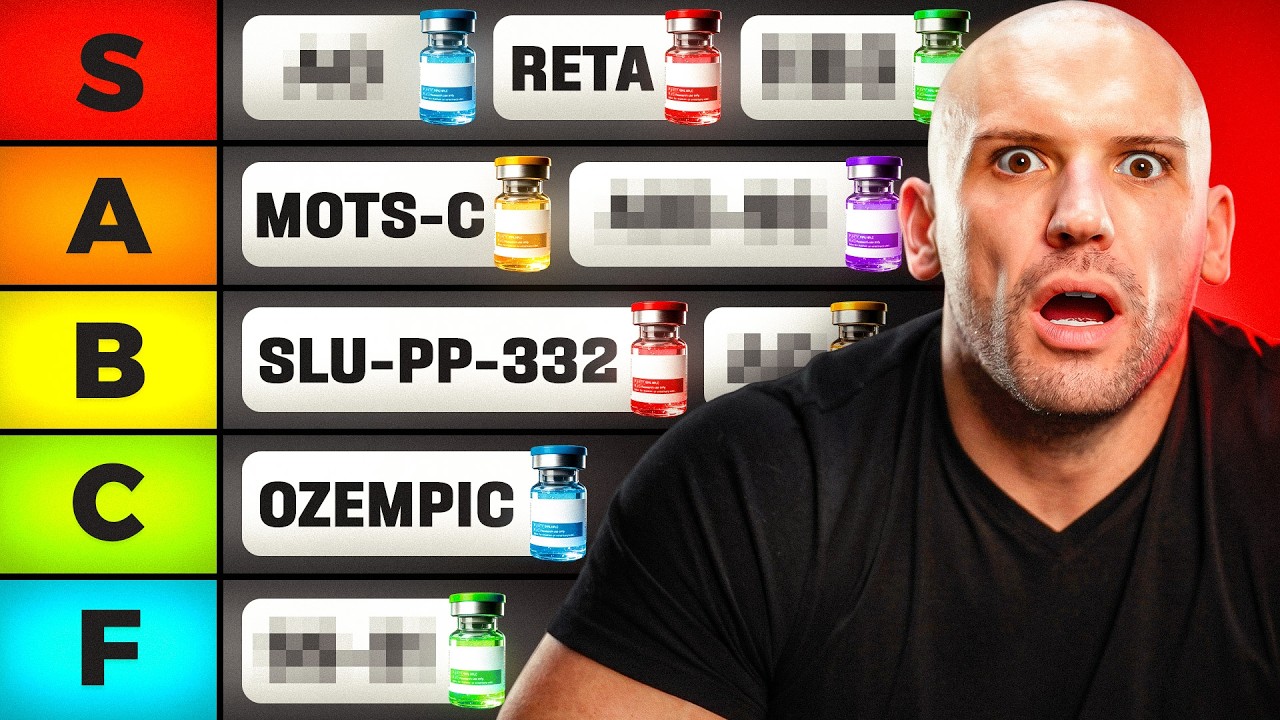
For 30 lbs of visceral fat I would add retatrutide to the TRT foundation. Its triple agonist mechanism hitting GLP-1, GIP, and glucagon creates the most powerful fat mobilization available. The glucagon component is particularly relevant: glucagon directly drives lipolysis and specifically targets visceral fat. Begin at a conservative starting dose under medical supervision and escalate slowly over the first several weeks based on tolerance. Once you settle into the therapeutic range, expect meaningful visceral fat loss to show up around weeks five and six. Combine with 1.2-1.5g protein per pound of lean body mass to prevent muscle loss.
Muscle Protection Stack
CJC-1295 with ipamorelin, subcutaneous injection 45 minutes before sleep. This GH optimization directly supports muscle protein synthesis and prevents lean mass loss during the deficit. A modest daily dose of BPC-157 addresses gut health, joint integrity under training load, and systemic inflammation.
Nutrition Framework
Protein first: 1.2-1.5g per pound of lean body mass. Non-negotiable. Carbohydrate timing: consume majority of carbohydrates around training when insulin sensitivity is highest. Do not try to create an additional 1000+ calorie deficit on top of what retatrutide creates through appetite suppression - you will lose muscle and feel terrible. Let the compound handle the deficit. Focus on protein quality and training.
Training Adjustments
Reduce total weekly training volume by 30-40% during this protocol - not eliminated, moderated. Maintain training intensity by keeping weights used heavy. Prioritize compound movements: squats, deadlifts, rows, presses. Add 3-4 zone 2 cardio sessions of 30-45 minutes weekly for insulin sensitivity improvement and fat oxidation without excessive recovery burden.
Timeline: Week by Week
Weeks 1-4: Appetite changes begin by day 3-7. Sleep improves from CJC/ipamorelin. Use waist measurements not scale weight as primary metric during this period. Weeks 5-8: Visible waistline changes begin. Visceral fat is more responsive to GLP-1 class drugs than subcutaneous fat. Weeks 9-16: Most clients on this full protocol are 15-20 lbs down with dramatic waistline reduction. The 30 lb target is achievable in 16-20 weeks for most starting points.
FAQ
Can TRT alone make you lose belly fat?+
TRT improves body composition and makes fat loss easier by optimizing the hormonal environment, but it is not a fat loss drug. Men with significant visceral fat on TRT often need additional metabolic intervention - particularly retatrutide - to address visceral fat directly.
Why is belly fat so hard to lose even on TRT?+
Visceral fat aromatizes testosterone to estrogen, drives insulin resistance, and produces inflammatory cytokines that make further fat loss harder. Breaking this cycle requires targeting visceral fat directly with metabolic compounds, not just optimizing testosterone.
How long to lose 30 lbs of belly fat on this protocol?+
With a TRT foundation, retatrutide in its therapeutic range, muscle preservation peptides, and proper nutrition, most people reach the 30 lb target in 16-20 weeks. Results vary based on starting body fat, nutrition compliance, and metabolic response.
Will I lose muscle while losing 30 lbs?+
With CJC-1295/ipamorelin for GH optimization, adequate protein at 1.2-1.5g per pound of lean body mass, and continued resistance training, muscle loss should be minimal. TRT also provides an anabolic environment that helps protect muscle during a deficit.
Do I need bloodwork before starting this protocol?+
Yes always. Before adding retatrutide, check fasting glucose, HbA1c, lipids, and a complete hormonal panel. Quarterly monitoring during the protocol is important to track metabolic improvements.
The personal experience shared in this article reflects an individual result under medical supervision. Results are not typical and will vary based on individual health status, protocol, and compliance. Nothing here should be interpreted as a guarantee of outcomes or a recommendation to self-administer any compound. Always consult a licensed physician before starting any peptide or hormone protocol.
Related Articles


Work With My Team
If you're serious about optimizing your hormones, peptides, and body composition the right way — apply to work with my team at nicholastrigili.com. We use bloodwork, cellular testing, and proven protocols to get real results.