
This article is for educational and informational purposes only. It reflects personal experience and publicly available clinical trial data. Nothing in this post constitutes medical advice. Retatrutide is not FDA-approved for human use. Do not use any compound discussed here without the supervision of a licensed medical professional.
Retatrutide Phase 3 Trial Results: What the Data Actually Shows and How I Used It as a Pro Bodybuilder

The TRIUMPH-4 phase 3 trial data is out. And if you've been watching people summarize it in 60-second clips without actually understanding the compound, I'm going to fix that right now.
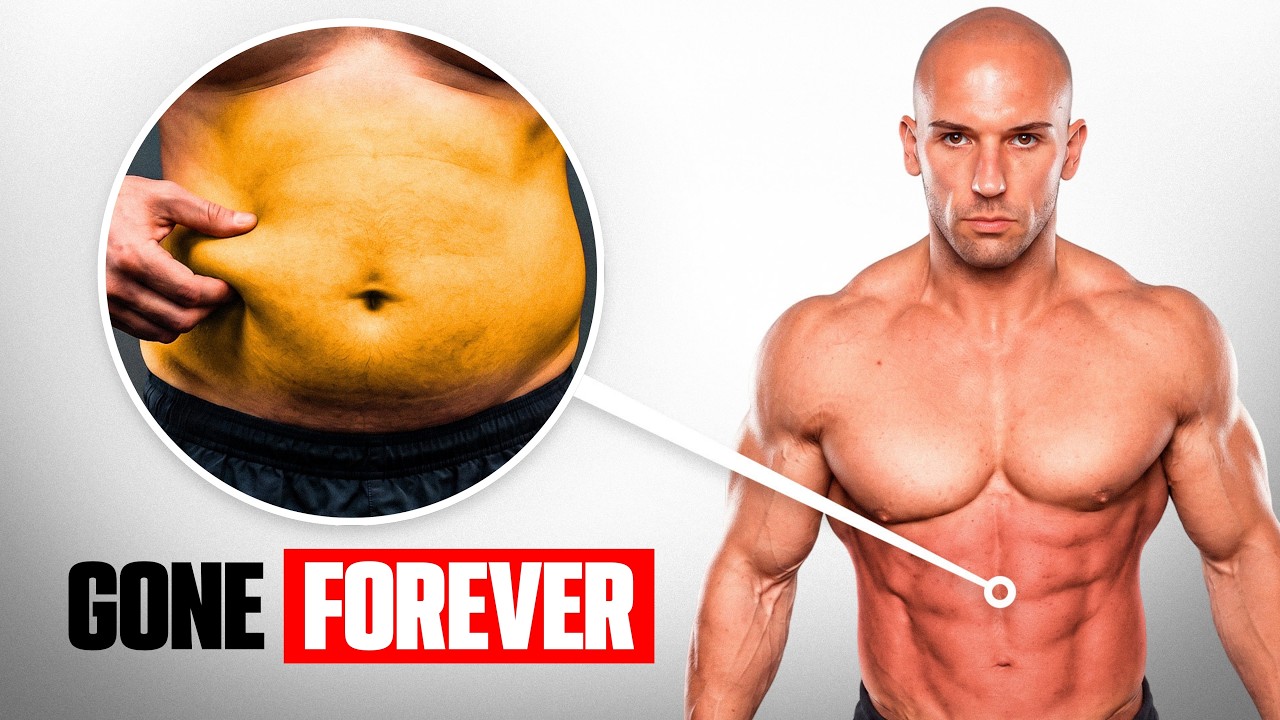
I've been running retatrutide personally for the last 10 weeks. I came in at around 252 pounds, roughly 12 to 15% body fat. My goal was not general weight loss. It was getting back to single-digit body fat without destroying the muscle I've spent years building. I went from 252 down to 218 at my lowest. My A1C dropped under five. My joint inflammation disappeared completely.
The trial data lines up with everything I experienced firsthand. But there are parts of this data that almost nobody is talking about. The mechanism is different. The titration is everything. And the side effect profile at high doses tells you something critical about how this drug should actually be used.
Here's the full breakdown.
What Makes Retatrutide Different From Every Other GLP-1
Semaglutide hits one receptor. Tirzepatide hits two. Retatrutide hits three simultaneously: GLP-1, GIP, and glucagon.
That glucagon receptor activation is what separates it. Traditional GLP-1s work primarily by suppressing appetite. You eat less, you lose weight. Simple, but limited. The glucagon component in retatrutide drives fat oxidation directly. It doesn't just reduce what goes in. It changes what your body does with what's already there.
This is why the metabolic improvements in the trial went beyond weight loss numbers. HDL improved. Triglycerides dropped. CRP markers came down. Blood pressure normalized. These are not appetite suppression outcomes. These are systemic metabolic shifts.
If you're comparing this to Ozempic because both make you less hungry, you're missing the point entirely.
The TRIUMPH-4 Trial Data: What It Actually Showed
The TRIUMPH-4 trial ran two doses against a placebo: 9 mg and 12 mg weekly. The participant pool was not just overweight individuals. These were people with osteoarthritis, chronic joint pain, long-term metabolic dysfunction, and systemic inflammation. Real-world metabolic wrecks.
At 12 mg weekly, average weight loss hit 28.7%. That's over 70 pounds on average. The 9 mg group came in at 26.4%. Both numbers are unlike anything we've seen in a clinical weight loss trial before.
But here's what matters most. The heavier participants lost an average of 26% of their body fat. The leaner participants still lost around 21%. Same drug, same dose, different metabolic starting points producing different outputs. That tells you retatrutide is responding to your metabolic state, not just suppressing appetite uniformly.
The inflammatory data is where things get really interesting.
The Anti-Inflammatory Effect Nobody Is Talking About
The TRIUMPH-4 trial was run on people with knee osteoarthritis. These participants had chronic joint pain layered on top of metabolic dysfunction. By the end of the trial, their pain scores dropped over 76%.
That's not a weight loss outcome. Mechanical load reduction from losing weight does not explain a 76% drop in pain. And here's the critical detail: the pain reduction happened faster than the weight loss. The inflammation was clearing before the scale moved.
Retatrutide is directly reducing systemic inflammation. Not as a downstream effect of fat loss. Directly.
This matters enormously if you've been grinding through a caloric deficit and wondering why your recovery is trash, your hormones are dysregulated, and your joints are wrecked. Chronic inflammation destroys insulin sensitivity. It destroys your hormonal environment. It destroys recovery. Most aggressive cuts make inflammation worse because you're in a nutrient-depleted, cortisol-elevated state.
Retatrutide does the opposite. I experienced this myself. I had no joint inflammation across 10 weeks despite running on reduced calories and reduced training volume. Multiple old injuries that typically flare up under those conditions were silent.
The Titration Protocol: Why Dosing Too Fast Will Wreck You
The phase 3 TRIUMPH-4 protocol provides important clinical context on how titration was structured in a supervised research setting. Participants started at 2 mg weekly and escalated every four weeks through increasing dose thresholds up to a maximum of 12 mg in the highest arm. This information is shared for educational purposes to illustrate how the research was conducted — not as a personal dosing recommendation.
What the data made clear is that escalating too quickly dramatically increased side effects and dropout rates. The phase 2 trials demonstrated this firsthand. Phase 3 corrected for it with a slower ramp, and even then nearly 80% of participants in the highest dose arm could not complete the protocol due to side effects.
The takeaway from the clinical data is not a specific number. It's that dose management under medical supervision is the only responsible framework for a compound this potent. Anyone pursuing retatrutide outside of a supervised medical setting is operating without the safety infrastructure the trial itself required.
In my own experience shared in the video above, I worked under medical supervision with regular bloodwork and monitoring throughout. I'd encourage anyone considering this to do the same.
My 10-Week Retatrutide Experience: Stack, Training, and Nutrition
The specific compounds I stacked alongside retatrutide, my training adjustments, and my nutrition approach are discussed in detail in the video above. What I can share in general terms is the framework I used to protect muscle and manage recovery throughout the protocol — all of which was done under medical supervision with labs guiding every decision.
The Peptide Stack
I did not run retatrutide solo. This is where most people make the mistake that costs them their muscle.
I stacked it with CJC-1295 and Ipamorelin to keep growth hormone elevated and protect sleep quality and recovery. I ran BPC-157 daily for gut stability, joint support, and inflammation control. I layered in GHK-Cu to protect skin elasticity and collagen because rapid weight fluctuation hits connective tissue hard and fast.
The synergy matters. My sleep stayed deep. My joints didn't flare. My skin stayed tight through a 25-plus pound loss. None of that happens on retatrutide alone when you're dropping weight at that rate.
Training Adjustments
When your appetite is suppressed and your calories are reduced, recovery takes a hit. You have to be smart about it.
I reduced my training volume by roughly 40%. My intensity stayed high. Rest periods got longer than I'd typically run them. Cardio went from Stairmaster three to five times a week down to walking only.
My rep ranges shifted to 12 to 15 instead of 8 to 12. Strength didn't drop significantly. The reduced volume and longer rest periods absorbed what would otherwise have been lost.
Nutrition
My approach stayed simple. Protein went up to 1 to 1.5 grams per pound of lean body mass instead of the 0.5 to 0.75 I'd normally run. Carbs stayed moderate and never dropped. Going low-carb during this protocol would have spiked cortisol, killed performance, and created a metabolic mess.
Calories ranged from 2,000 to 2,500. The appetite suppression from retatrutide kept me genuinely satiated at those levels. I wasn't fighting hunger. I just wasn't hungry.
Results After 10 Weeks
I came down from around 252 to 218 pounds at my lowest. Total loss was over 25 pounds. Body fat landed around 7 to 8%. My A1C dropped to under five, the lowest it's ever been. Zero joint inflammation despite carrying multiple old injuries.
What worked better than expected was the anti-inflammatory effect and recovery preservation. What worked less well than expected was pushing fat loss once I was already lean. The appetite suppression matters less when body fat is already low. The compound runs differently on someone already in single digits.
If I ran this again, I'd stay longer at a lower dose and introduce synthetic growth hormone or a stronger GH secretagogue like hexarelin earlier in the protocol instead of waiting.
Bottom Line on Retatrutide
This is the most powerful fat loss compound I've ever used. It is also the most powerful one I've seen validated in clinical data. The phase 3 numbers are not normal. 28.7% average body weight reduction in a real-world patient population with existing metabolic dysfunction is not something the industry had seen before this.
But this is not a compound you grab from a random research website, inject at max dose, and expect to feel good. If you don't have a verified product from a supervised medical source, none of the data I just walked you through applies to you. You won't even know if what you have is a real triple agonist.
If you push the dose too fast without titrating properly, you will feel terrible and the side effects do not resolve quickly. If you don't protect your muscle with the right peptide stack and nutrition protocol, you will lose it.
Done right, under medical supervision, with labs, with proper titration, and with the right compounds supporting your recovery: this changes how we think about metabolic optimization entirely.
FAQ
What was the average weight loss in the retatrutide phase 3 trial?+
The TRIUMPH-4 trial showed average weight loss of 28.7% at the 12 mg weekly dose and 26.4% at the 9 mg weekly dose. These were participants with obesity and osteoarthritis running a slow titration protocol over an extended period.
How does retatrutide compare to semaglutide and tirzepatide?+
Retatrutide is a triple agonist hitting GLP-1, GIP, and glucagon receptors simultaneously. Semaglutide targets GLP-1 only. Tirzepatide targets GLP-1 and GIP. The glucagon receptor activation in retatrutide drives direct fat oxidation and produces systemic anti-inflammatory effects that single and dual agonists do not replicate.
What is the correct titration schedule for retatrutide?+
Based on the phase 3 protocol, the safest approach starts at 2 mg weekly and escalates every four weeks: 2, 4, 6, 9, then 12 mg. Rushing the titration significantly increases side effects and dropout rates, as seen in phase 2 trials where fast escalation caused mass attrition.
Can you run retatrutide without losing muscle?+
Yes, but it requires deliberate intervention. Running a growth hormone peptide stack alongside it (CJC-1295 and Ipamorelin, or synthetic GH), keeping protein at 1 to 1.5 grams per pound of lean body mass, reducing training volume rather than intensity, and keeping carbohydrates moderate are all critical. Retatrutide alone without these measures will cost you muscle.
What side effects should you expect with retatrutide?+
Nausea is the primary side effect, especially in the first 10 to 14 days after any dose increase. Reduced appetite can reach the point where eating feels forced. Both become more manageable with slow titration, protein-first meal sequencing, and aggressive hydration. At 12 mg weekly, side effects were severe enough that nearly 80% of trial participants could not complete the highest dose arm.
The personal experience shared in this article reflects an individual result under medical supervision. Results are not typical and will vary based on individual health status, protocol, and compliance. Nothing here should be interpreted as a guarantee of outcomes or a recommendation to self-administer any compound. Always consult a licensed physician before starting any peptide or hormone protocol.
Related Articles


Work With My Team
If you're serious about using retatrutide or any advanced protocol the right way — under real medical supervision with bloodwork and ongoing monitoring — book an assessment call with my team. We work exclusively with high-performing men who want elite body composition without sacrificing their health to get there.